John Guzlowski
Przed 11 września i zniszczeniem Twin Towers (WTC w Nowym Jorku) od dłuższego czasu nie myślałem zbyt wiele o Bogu.
Oczywiście przypominałem sobie o nim przy różnych okazjach. Myślałem o nim podczas Bożego Narodzenia, kiedy moja córka Lillian była dzieckiem i zapytała mnie, kim jest Dzieciątko Jezus. I pomyślałem o Bogu, kiedy zainteresowałem się polskim noblistą Isaakiem Bashevis Singerem i zacząłem pisać serię esejów naukowych na temat jego powieści o życiu Żydów w Polsce.
Trudno pisać o Singerze, nie pisząc o Bogu — ale myśląc o Bogu i Isaacu Singerze, myślałem o Bogu w inny sposób. Tak właśnie o Nim myślałem, będąc profesorem literatury i ucząc moich studentów o wielkich pisarzach religijnych, takich jak Ralph Waldo Emerson, Fiodor Dostojewski, T. S. Eliot, Flannery O’Connor i Czesław Miłosz. Kiedy nauczałem o Bogu, Bóg był ideą, koncepcją, którą postrzegałem przez pryzmat akademii i starałem się nadać tej idei intelektualny i akademicki sens.
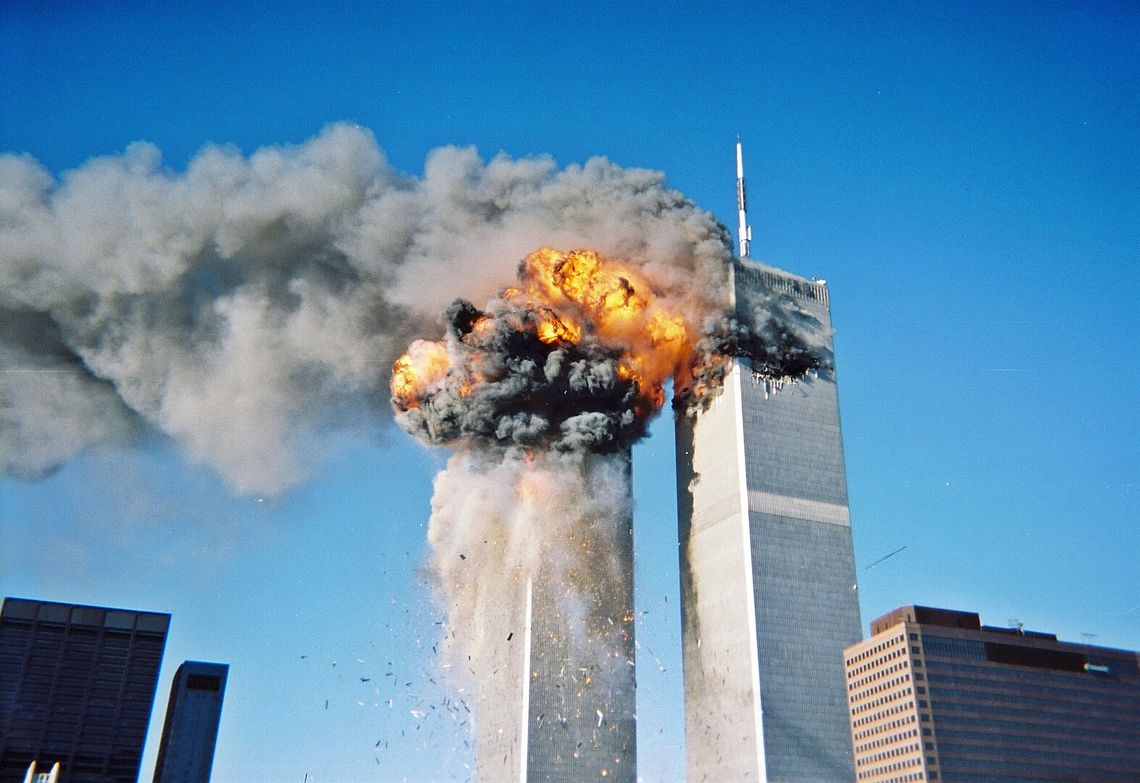
To wszystko zmieniło się po 11 września. Kiedy runęły bliźniacze wieże World Trade Center, odkryłem, że Bóg przestał być jedynie przedmiotem akademickim. Nagle stał się ważny w moim świecie. Nie w tym sensie, że uwierzyłem w to, w co wierzył mój ojciec, kiedy klęczał każdej nocy i modlił się w ciemności, ani w tym sensie, że uwierzyłem w to, czego uczyły mnie Siostry św. Józefa i Bracia Chrześcijańscy, gdy dorastałem i uczęszczałem do katolickiej szkoły podstawowej i średniej w Chicago.
Po 11 września Bóg stał się dla mnie ważny w tym sensie, że mój świat nagle został dotknięty i nadal jest dotknięty przez tych, którzy głęboko i absolutnie w Niego wierzą, w sposób zupełnie inny od tego, którego uczyłem się jako dziecko.
Ci wierzący poruszyli mój świat, kiedy wysłali terrorystów do Stanów Zjednoczonych i poruszyli mój świat, kiedy wysłali amerykańskie wojska do Iraku, aby obalić Saddama Husseina; i poruszyli mój świat, kiedy wysadzili kliniki aborcyjne w Stanach; i poruszyli mój świat, kiedy zaatakowali Izrael 23 października 2023 roku; i nadal poruszają mój świat, kiedy twierdzą, że ich wiara ma centralne znaczenie we wszystkich decyzjach politycznych, społecznych i kulturalnych, które podejmują.
Proszę nie zrozumcie mnie źle. Nie twierdzę, że Amerykanie i terroryści są pod jakimkolwiek względem tacy sami, poza jedną bardzo ważną kwestią: wielu z nich głęboko wierzy w Boga i działa zgodnie z jego wiarą.
Ta prosta idea, że zarówno dobrzy, jak i źli ludzie mogą działać pod wpływem podobnego impulsu – impulsu do działania zgodnie z wolą Boga – była siłą napędową mojej twórczości w ciągu ostatnich kilku lat. Piszę o Bogu w moich powieściach, wierszach i felietonach, próbując nadać sens tej idei. Chcę to zrozumieć tak samo mocno, jak nigdy dotąd.
Chcę zrozumieć, jak ludzie mogą słyszeć Boga w tak różny sposób, ale im bardziej się staram, tym bardziej boję się, że nie ma odpowiedzi na to pytanie.
A jeśli nie ma odpowiedzi?
Co wtedy?
How 9/11 Changed the Way I Think about God
Before 9/11 and the destruction of the Twin Towers, I hadn’t thought much about God for a long, long time.
Oh, of course, I thought about Him on occasion. I thought about Him at Christmas time when my daughter Lillian was young and she’d ask me about who baby Jesus was. And I thought about God when I got interested in Polish Nobel Laureate Isaac Bashevis Singer and started writing a series of academic essays about his novels about Jewish life in Poland.
You can hardly write about Singer without writing about God—but thinking about God and Isaac Singer I was thinking about God in a different sort of way. It was the way I thought about Him when I was a professor of literature and taught my students about the great religious writers like Ralph Waldo Emerson, Fyodor Dostoevsky, T. S. Eliot, Flannery O’Connor, and Czeslaw Milosz. When I was teaching about God, God was an idea, a concept, that I was seeing through an academic lens and trying to make intellectual and academic sense of.
After 9/11, all that changed. When the Twin Towers of the World Trade Center came down, I discovered that God was no longer simply an academic subject. He suddenly became important in my world. Not in the sense that I’ve come to believe what my father believed when he knelt every night and prayed in the darkness, nor in the sense that I came to believe what the Sisters of St. Joseph and the Christian Brothers taught me as I was growing up and attending Catholic grammar school and high school in Chicago.
After 9/11, God became important in the sense that my world was suddenly touched and continues to be touched by those who believe in him firmly and absolutely in ways very different from the ways I learned as a child growing up.
These believers touched my world when they sent terrorists here to the United States, and they touched my world when they sent American troops to Iraq to bring Saddam Hussein down; and they touched my world when they blew up abortion clinics here in the States; and they touched my world when they attacked Israel on October 23, 2023; and they continue to touch my world when they argue the centrality of their faith in all political and social and cultural decisions they make.
Please don’t get me wrong. I’m not saying that Americans and terrorists are the same in any way except this one very important way: many of them are firmly committed to and acting out of their belief in God.
This simple idea, that good people and bad people can both be acting from a commitment to a similar impulse, the impulse to act as God wants us to act, has driven much of my writing these last few years. I’ve been writing about God in my novels and my poems and my columns to try to make sense of this idea. I want to understand this as much as I’ve ever wanted to understand anything.
I want to understand how people can hear God so differently, but the more I struggle to understand this the more I come to fear that there is no answer to this question.
And if there is no answer?
What then?
John Guzlowski
.JPG)
amerykański pisarz i poeta polskiego pochodzenia. Publikował w wielu pismach literackich, zarówno w USA, jak i za granicą, m.in. w „Writer’s Almanac”, „Akcent”, „Ontario Review” i „North American Review”. Jego wiersze i eseje opisujące przeżycia jego rodziców – robotników przymusowych w nazistowskich Niemczech oraz uchodźców wojennych, którzy emigrowali do Chicago – ukazały się we wspomnieniowym tomie pt. „Echoes of Tattered Tongues”. W 2017 roku książka ta zdobyła nagrodę poetycką im. Benjamina Franklina oraz nagrodę literacką Erica Hoffera za najbardziej prowokującą do myślenia książkę roku. Jest również autorem serii powieści kryminalnych o Hanku i Marvinie, których akcja toczy się w Chicago oraz powieści wojennej pt. „Retreat— A Love Story”. John Guzlowski jest emerytowanym profesorem Eastern Illinois University.
-
John Guzlowski's writing has been featured in Garrison Keillor’s Writer’s Almanac, Akcent, Ontario Review, North American Review, and other journals here and abroad. His poems and personal essays about his Polish parents’ experiences as slave laborers in Nazi Germany and refugees in Chicago appear in his memoir Echoes of Tattered Tongues. Echoes received the 2017 Benjamin Franklin Poetry Award and the Eric Hoffer Foundation's Montaigne Award for most thought-provoking book of the year. He is also the author of two Hank Purcell mysteries and the war novel Road of Bones. Guzlowski is a Professor Emeritus at Eastern Illinois University.