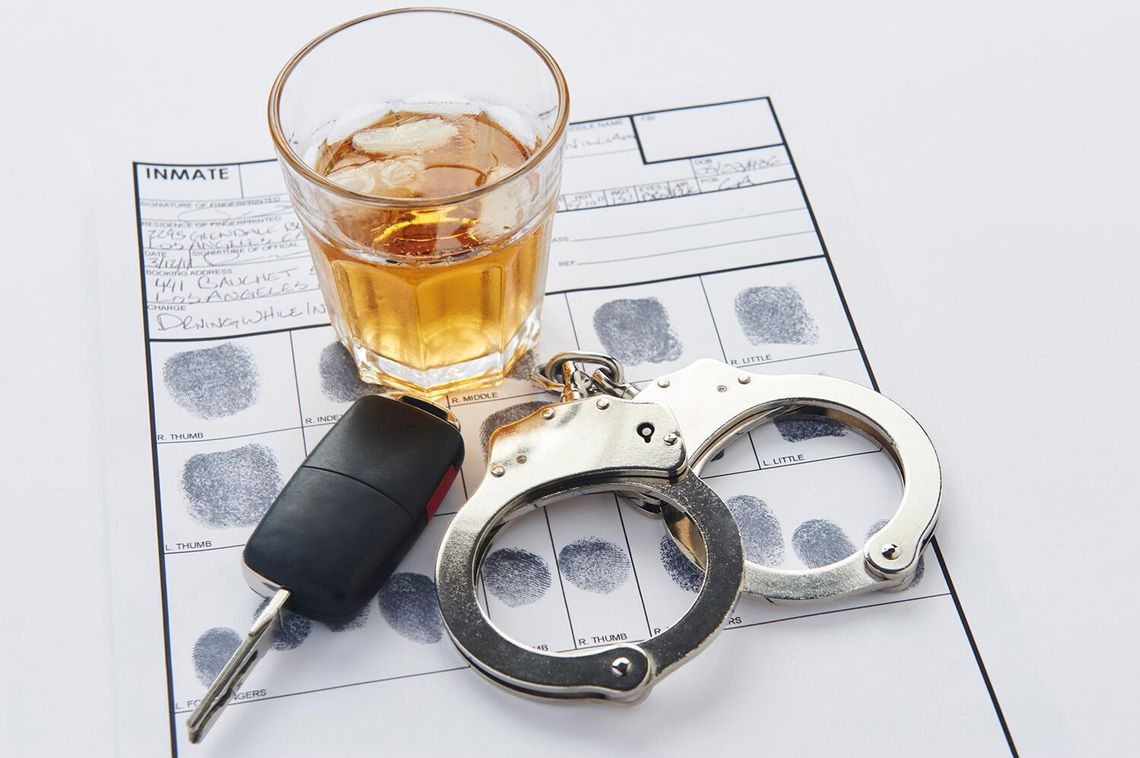
An estimate of 36,640 traffic fatalities is reported in 2025, according to the U.S. Department of Transportation’s National Highway Traffic Safety Administration (NHTSA). That's a 6.7% decrease from 2024, which is considered its second-lowest traffic fatality rate in recorded history.
In most DUI cases the proof usually lands in four main buckets: chemical test results, officer observations and what happened during field sobriety testing, video clips and documentary records.
Chemical Test Evidence, Breath, Blood and Urine
Breathalyzer Results
Breath test results are usually the most presented chemical evidence in DUI prosecutions. Breathalyzers don't really measure blood alcohol concentration, or BAC, straight up. What they do is measure alcohol in a person's exhaled breath, then they use a math conversion factor to estimate the BAC.
Firms handling DUI defense build much of their practice around exactly these evidentiary vulnerabilities. The Morgantown DUI Lawyer at Crowe Law, LLC, for instance, lists challenging faulty or miscalibrated BAC test equipment among the defense strategies it uses to fight DUI charges.
For breath test results to end up admissible in court, most states expect the prosecution to show a written chain of compliance. The actual device has to be on the state's approved list of sanctioned breathalyzer models. It also has to have been calibrated during the required window. In California, it is usually every 10 days, or after 150 uses.
The calibration and upkeep logs have to indicate the device was working properly at the time the test happened. Plus, the person administering the test has to be certified to operate that instrument.
Officers also need to perform a continuous observation period, often 15 to 20 minutes, right before the testing. They can exclude mouth alcohol from belching, vomiting, mouthwash, or acid reflux.
If the prosecution falls short on any of these points, the admissibility of the result can be contested.
Blood Test Results
Blood tests directly measure alcohol in the bloodstream. Blood samples have to be taken using approved procedures, kept in properly sealed containers with the right preservatives, and then moved to the lab and analyzed according to chain-of-custody rules. If the sample got contaminated, mislabeled, or poorly stored, or if the lab testing drifted away from the accepted method, those issues can quietly wreck the results.
Officer Observations and Field Sobriety Tests
Before any chemical test is administered, the arresting officer forms an initial opinion based on direct observation. The police report documents that opinion, including the reason for the stop, what the officer saw and smelled, how the driver spoke and moved and how the driver performed on field sobriety tests, known as FSTs. This observational evidence is largely subjective, and its subjectivity is where it can be contested.
Firms such as https://www.cleaveslawfirm.com/ can protect your rights whether you are negotiating your plea or you need to protect your rights in court after an injury. Cases that start with a traffic stop can just as easily turn into an injury claim, and either way, the same police report and video footage end up under scrutiny.
The Three Standardized Field Sobriety Tests
The NHTSA has validated three field sobriety tests and established specific administration protocols for each. The horizontal gaze nystagmus test, known as HGN, the walk-and-turn test and the one-leg stand test are the only tests that carry NHTSA's validation data on correlation to BAC levels.
Conditions during field sobriety testing frequently deviate from the controlled conditions of NHTSA research. Factors that independently affect test performance and that officers may not account for or document include uneven pavement, gravel or sloped surfaces, poor lighting or flashing emergency lights that affect balance and visual tracking, footwear such as heels or sandals that affect the walk-and-turn and one-leg stand, and physical conditions such as inner ear disorders, leg injuries, neurological conditions or obesity. NHTSA testing excluded participants over 65, and researchers acknowledge the tests are less reliable for older adults.
An officer who administered any FST in a way that deviated from the NHTSA-specified protocol, who failed to ask about relevant physical conditions, or who did not document test conditions accurately opens those results to a real challenge.
Video Evidence, the Record That Cuts Both Ways
Dashcam and body camera footage has become one of the most important categories of evidence in DUI cases.
Video footage captured at the scene usually logs the driving behavior that led to the stop. The first contact between the officer and the driver, the field sobriety test directions and how the driver performs them, plus then the arrest. They ask whether the driving pattern shown in the video is really in line with impairment or if the officer’s description in the report ends up being harsher, more severe than what the video actually shows. They also check whether the stop itself was supported by observable conduct that constitutes reasonable suspicion under the Fourth Amendment.
Documentary Evidence and the Records Underlying Chemical Tests
Key documents in DUI evidence review include breathalyzer calibration logs showing the dates, results and technician certifications for all calibrations of the specific device used, maintenance and repair records for the breathalyzer, including any service calls, repairs or anomalies reported before or after the arrest date, and blood sample chain-of-custody documentation showing how the sample was collected, labeled, sealed, stored and transferred to the testing laboratory. Laboratory accreditation records and the analyst's certifications matter too, along with the officer's training records and certification for the breathalyzer and for FST administration.
If calibration records are missing, certifications are expired, or there are gaps in the chain-of-custody paper trail, then that can be used to argue the chemical test results are not reliable, or they weren’t properly authenticated.
How Evidence Determines the Defense Strategy
DUI defense does not rest on broad denials. It rests on examining each piece of evidence individually, establishing the factual and legal standards it must meet to be admissible and reliable, and identifying where those standards were not met.