John Guzlowski
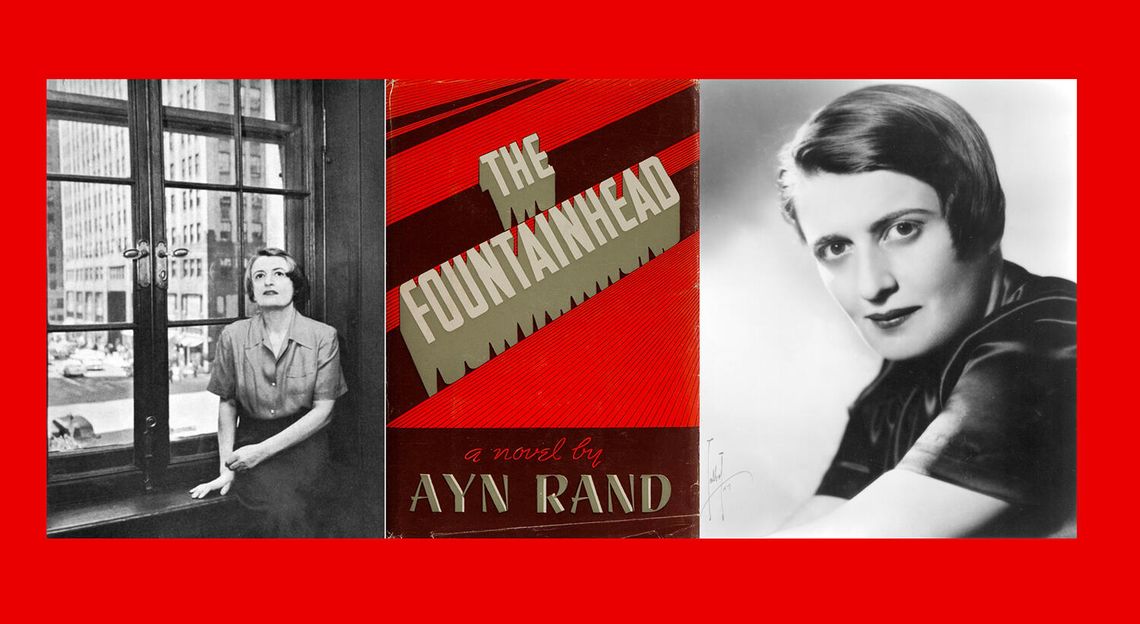
Gdy byłem po dwudziestce, czytałem mnóstwo powieści Ayn Rand – i nie byłem w tym odosobniony. Miliarder Elon Musk uważa jej powieść Fountainhead („Źródło”) za niezwykle istotną, a The Atlas Society – organizacja poświęcona filozoficznemu dziedzictwu Rand – często wykorzystuje postać Muska w swoich materiałach promocyjnych. Obok Muska inspirację twórczością Rand czerpało wiele innych osób: senator Rand Paul, sędzia Sądu Najwyższego Clarence Thomas, były prezes Rezerwy Federalnej Alan Greenspan, a także aktorzy Brad Pitt i jego była żona Angelina Jolie – by wymienić tylko kilku z nich.
I w pewnym sensie potrafię zrozumieć, dlaczego ludzie lubią i szanują Ayn Rand. Jej książki – „Hymn”, „Atlas zbuntowany” i „Źródło” – należały do tych, które naprawdę mnie zainspirowały i skłoniły do refleksji nad tym, kim jestem. Szczególnie przypadło mi do gustu to, co mówiła o indywidualizmie – o znaczeniu „Ja” w obliczu dominacji „Innego”.
Podobnie jak większość młodych chłopaków w tamtych czasach – pod koniec lat 60. – czułem się niemal przytłoczony: przez rząd, pobór do wojska, rodziców, szkołę, a także przez przyszłość z jej wszystkimi zobowiązaniami wobec ewentualnej żony i ewentualnych dzieci. Ayn Rand zdawała się jednak nie ulegać temu przytłoczeniu. Oto, co przekazywała mi w swoich powieściach: to ty jesteś przeciwko wszystkim innym i jeśli nie zrzucisz kajdan i łańcuchów narzucanych przez tych innych ludzi, nigdy nie będziesz wolny. Dla dziewiętnastolatka była to niezwykle kusząca lekcja.
Lecz próbując zrzucić z siebie dominację wszystkich innych i zachować integralność mojego „Ja”, uświadomiłem sobie, że nie mógłbym istnieć bez innych ludzi. Istniała we mnie istotna część, która stanowiła „Innego”. To, co czynił i mówił drugi człowiek, w pewnym stopniu wpływało na to, kim byłem. Nie sprawowało nade mną kontroli, lecz stanowiło część mnie i czułem, że zaprzeczenie temu faktowi byłoby w istocie zaprzeczeniem całego mojego „Ja”.
Tym jednak, co ostatecznie skłoniło mnie do odwrócenia się od Rand, był jej brak życzliwości wobec innych ludzi. W jej świecie najlepszym, co można uczynić, jest dążenie do własnego sukcesu. Inni ludzie nie są istotni. Nie muszą być uwzględniani w tym równaniu. Nie trzeba było troszczyć się o drugiego człowieka ani zaprzątać sobie nim głowy. Co więcej, w pewnym miejscu stwierdziła, że jeśli cywilizacja ma przetrwać, ludzie muszą odrzucić moralność altruizmu. Innymi słowy: do diabła z innymi ludźmi.
Nie mogłem tego zaakceptować.
Nie wiem, jak to wygląda w przypadku Muska, Rand Paul’a, Alana Greenspana, Jolie, Pitta i wszystkich innych, którzy czerpią inspirację z twórczości Ayn Rand, lecz istnieje pewien fundamentalny element mojego „Ja”, który wyciąga rękę do innych ludzi – który pragnie im pomagać. Być może wynika to z tego, że to inni ludzie wyciągnęli rękę do mnie i mojej rodziny, gdy po raz pierwszy przybyliśmy do Ameryki. Wciąż pamiętam dwie kobiety, które przyszły do naszego mieszkania, by przynieść nam żywność, gdy po wojnie – jako osoby przesiedlone – trafiliśmy do Chicago. A może ów fundamentalny element mojego „Ja” zrodził się z faktu, iż moi rodzice padli ofiarą tego rodzaju odrzucenia człowieczeństwa innych, z którym tak swobodnie czuli się naziści.
Nie wiem dokładnie, skąd bierze się ta tak istotna część mnie, wiem jednak, że ogarniają mnie emocje, gdy widzę ludzi potrzebujących pomocy. Wzruszam się i wyciągam do nich pomocną dłoń – dokładnie tak, jak nam pomogły te dwie kobiety, które przyniosły nam jedzenie.
A co powiedziałaby mi Ayn Rand, gdyby zobaczyła, jak pomagam innym – tak, jak pomogli nam? Powiedziałaby: „Psujesz społeczeństwo”.
Ayn Rand and My “Self”
When I was in my early twenties, I read a lot of Ayn Rand’s novels, and I wasn’t the only one. Billionaire Elon Musk thinks her novel Fountainhead is quite important, and The Atlas Society, a group dedicated to Rand’s philosophical legacy, often uses Musk in its promotional materials. Along with Musk, there are a lot of folks who’ve taken inspiration from Rand: Senator Rand Paul, Supreme Court Justice Clarence Thomas, former Federal Reserve Chairman Alan Greenspan, and actors Brad Pitt and his wife Angelina Jolie, just to name a few.
And in some way, I can understand why people like and respect Ayn Rand. Her books Anthem, Atlas Shrugged, and Fountainhead were among the books that really inspired me, made me think about who I was. I especially liked what she said about individualism, the importance of the “Self” against the dominance of the “Other.”
Like most young guys back then in the late 60s, I felt pretty much overwhelmed by the government, the draft, my parents, school, and the future with all its responsibilities to a possible wife and possible kids. Ayn Rand seemed to not be overwhelmed. Here’s what she told me in her novels: It’s you against everybody else, and if you can’t throw off the shackles and chains of those other people, you will never be free. She offered an attractive lesson to a 19-year old.
But while trying to throw off the dominance of everybody else and to maintain the integrity of my “Self,” I realized that I couldn’t exist without other people. There was an essential part of me that was the “Other.” What the other person did and said in part affected who I was. It didn’t control me, but it was a part of me, and I felt that denying that fact was certainly a denial of my whole “Self.”
But what finally convinced me to turn away from Rand was her lack of charity toward other people. In her world, the best thing you can do is strive to succeed for yourself. Other people aren’t important. They don’t need to figure into that equation. You didn’t have to care for another or concern yourself with another. In fact, someplace she said that if civilization is to survive, people have to reject the morality of altruism. In other words, to hell with other people.
I couldn’t accept that.
I don’t know about Musk and Rand Paul and Alan Greenspan and Jolie and Pitt and everybody else who feels inspired by Ayn Rand, but there’s a fundamental part of my “Self” that reaches out to other people, wants to help other people. Maybe it comes to me from people reaching out to me and my family when we first came to America. I still remember the two women who came to our apartment to give us food when we came to Chicago as Displaced Persons after the war. Or maybe this fundamental part of my “Self” comes to me because my parents were victims of the kind of rejection of the humanity of others that the Nazis found comfortable.
I don’t know exactly where this essential part of me comes from, but what I do know is that I go emotional when I see people who need help. I get emotional, and I reach out to help them just as we were helped by those two women who brought us food.
And what would Ayn Rand say to me if she saw me helping others like we were helped? She’d say, “You’re messing up society.”
John Guzlowski
.JPG)
amerykański pisarz i poeta polskiego pochodzenia. Publikował w wielu pismach literackich, zarówno w USA, jak i za granicą, m.in. w „Writer’s Almanac”, „Akcent”, „Ontario Review” i „North American Review”. Jego wiersze i eseje opisujące przeżycia jego rodziców – robotników przymusowych w nazistowskich Niemczech oraz uchodźców wojennych, którzy emigrowali do Chicago – ukazały się we wspomnieniowym tomie pt. „Echoes of Tattered Tongues”. W 2017 roku książka ta zdobyła nagrodę poetycką im. Benjamina Franklina oraz nagrodę literacką Erica Hoffera za najbardziej prowokującą do myślenia książkę roku. Jest również autorem serii powieści kryminalnych o Hanku i Marvinie, których akcja toczy się w Chicago oraz powieści wojennej pt. „Retreat— A Love Story”. John Guzlowski jest emerytowanym profesorem Eastern Illinois University.
-
John Guzlowski's writing has been featured in Garrison Keillor’s Writer’s Almanac, Akcent, Ontario Review, North American Review, and other journals here and abroad. His poems and personal essays about his Polish parents’ experiences as slave laborers in Nazi Germany and refugees in Chicago appear in his memoir Echoes of Tattered Tongues. Echoes received the 2017 Benjamin Franklin Poetry Award and the Eric Hoffer Foundation's Montaigne Award for most thought-provoking book of the year. He is also the author of two Hank Purcell mysteries and the war novel Road of Bones. Guzlowski is a Professor Emeritus at Eastern Illinois University.